Seasickness on a Maui Whale Watch
How to avoid seasickness on a Maui whale watching cruise: steadier boats, calmer morning water, where to sit, open bars and what CDC advice says about medicine.
Some people do get seasick on a Maui whale watch, though most trips last only about two hours and stay in the channels off the leeward coast. To lower the odds, book a large catamaran over a raft, take a morning departure when the water is usually calmer, stand or sit low and near the middle of the boat away from the bow, keep your eyes on the horizon, eat a little beforehand and go easy on the open bar. If you think you will need medicine, ask a doctor or pharmacist well before the day, because CDC advice is that it works best taken before symptoms start. Compare boat sizes and departure times on our Maui whale-watching cruise guide.
Check Availability
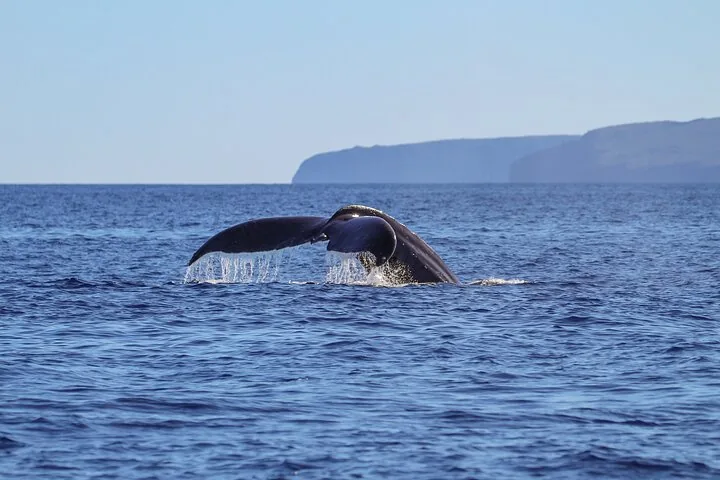
Maui Premier Whale Watching Cruise - Luxury Catamaran Experience
- 4.9/5 (89 reviews)
- About 2 hours
- Free cancellation
- Operated by Alii Nui Sailing Charters
Includes Two-hour whale watch on a 65-foot catamaran from Māʻalaea · Open bar, including alcoholic drinks · Light local bites
You'll choose your date and complete the booking on Viator. Free cancellation up to 24 hours before departure.
Same cruise, also on GetYourGuide
From $139 per person · ★ 5.0 from 2 GetYourGuide reviews
Each platform sets its own price and collects its own reviews, so compare both before you book on Viator.
How rough is a Maui whale watch?
Usually moderate, and it changes through the day. The National Weather Service splits Hawaiʻi’s year into a summer and a winter season, and in winter, which is whale season, trade winds can be interrupted for days by fronts and Kona storms that bring clouds, rain and southerly or westerly winds. On a normal day the leeward coast follows a sea-breeze pattern: air is usually very gentle overnight and just after sunrise, and the breeze picks up from late morning into the afternoon.
Māʻalaea Bay has its own marine forecast zone and often appears in small-craft advisories, and it is known for strong afternoon trade winds. Winter swell mostly hits north and west shores, so the south- and southwest-facing departure points at Māʻalaea, Kīhei and Lahaina are generally sheltered from it, while Kāʻanapali faces west and can get northwest swell.
Boat type and motion
A bigger, wider boat is the usual choice for anyone prone to seasickness. The table sums up what each listing says about its boat; none of this is a measurement of motion.
| Boat type | Examples (departure, from) | Listing details that matter | Seasickness notes |
|---|---|---|---|
| Large catamaran | Alii Nui premier whale watch (Māʻalaea, $139) | 65-ft catamaran with panoramic viewing decks; restrooms down steps and a ladder in the cabin | Two hulls and plenty of deck room to find a steady spot |
| Double-deck catamaran | Quicksilver (Māʻalaea, $50) | Shady cabin, two restrooms | Shade and a seat inside if you need one |
| Multi-level boat | Kaulana (Lahaina Harbor, $70) | Shaded main cabin, marine bathroom, capacity capped at 80 | “Stay dry” vessel with room to move |
| Stabilized small boat | Hawaii Nautical (Māʻalaea, $279) | Up to 6 guests; SeaKeeper stabilizer named in the listing | One reviewer called it “super stable even for someone with motion sickness” |
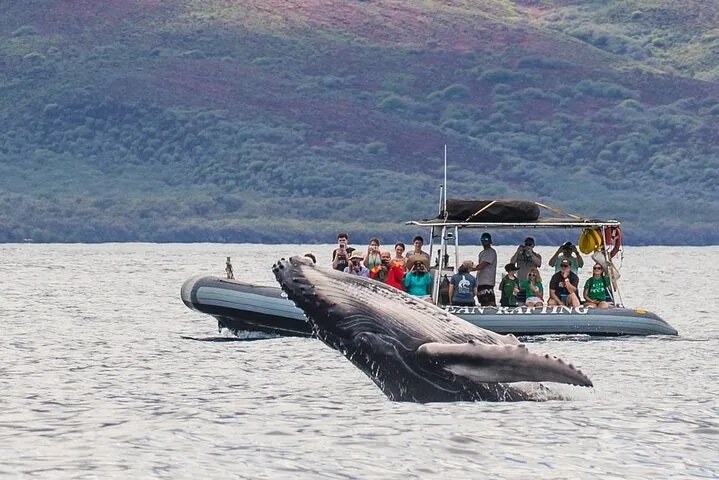
| Raft | Redline (Kīhei, $100), Hawaii Ocean Rafting (Lahaina, $85) | Low to the water, fast, spray likely | Back, neck and pregnancy limits; Redline recommends a maximum age of 65 “due to adventurous nature” |
The featured tour, Alii Nui’s 2-hour whale watch, is a good choice if you worry about motion: it is a large catamaran, it does nothing but whale watching (no snorkel stop), and it carries a naturalist and hydrophones. It costs from $139 and holds a 4.9 rating from 89 reviews. Boarding means walking down a pier and stepping across a gap, with crew to help. More detail is in our Alii Nui review.
Other Experiences
Other experiences you might enjoy
More whale watches from Māʻalaea Harbor, Lahaina and Kāʻanapali Beach, from large catamarans with shaded cabins to short morning departures.
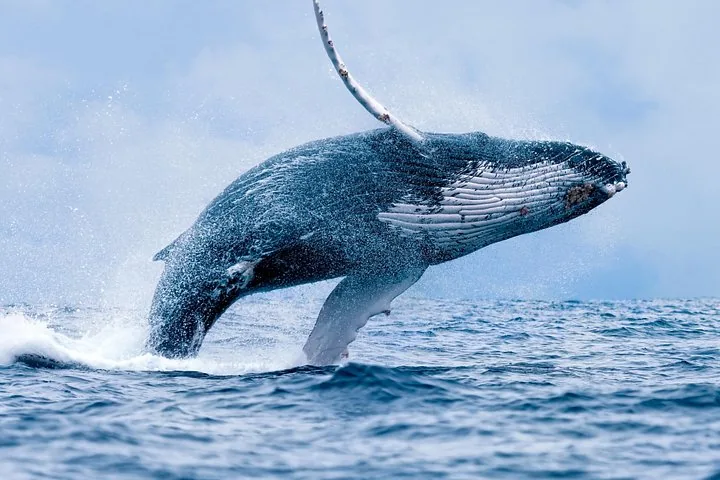
Morning water is usually calmer
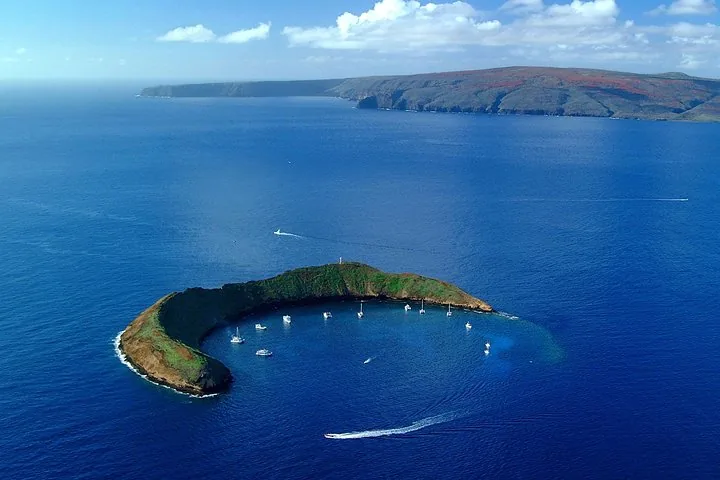
If seasickness is your main worry, take the earliest departure you can face. Redline’s first raft leaves Kīhei at 7 a.m., and Maui Ocean Adventures runs a sunrise trip from Māla Boat Ramp. South Pacific Kayaks says the same about its Turtle Town trips: the early tour has calmer water. Mornings are calmer usually, not always, and a winter front can make any hour bumpy. Our morning or afternoon guide covers the wind pattern in more detail.
Shorter trips help too. Most whale watches here last about two hours, and Redline’s raft is 1.5 hours, while snorkel combinations run 3.5 hours or more.
Where to sit and what to do on board
The CDC’s motion-sickness advice is short. Look at the horizon, which its Yellow Book says has been “shown to provide some protection in ships”. Avoid high-motion spots such as the bow. Moving with the boat’s motion, getting your “sea legs”, also helps. On a whale watch that means staying away from the front of the boat on the ride out and picking a spot where you can see the coast or the islands.
Sitting low and near the middle of the boat, where it moves least, is common boating advice, though the CDC does not spell it out. On a catamaran that is usually the main deck near the cabin; on a raft, ask the crew where the ride is gentlest. The CDC also suggests eating small amounts of food often, so have a light snack before you leave the hotel, and if you start to feel unwell, lying down or shutting your eyes can help when the boat allows it.
Open bars, coffee and medicine
The CDC advises limiting alcoholic and caffeinated drinks. Several whale watches include alcohol, among them Alii Nui (Maui Brewing Co. beers on its open bar), Sea Maui’s Kāʻanapali whale watch and Teralani’s sails, so if you are prone to seasickness, save the drink for after you are back on land.
For medicine, the CDC’s line is to talk to a healthcare professional about whether you should take it. Its Yellow Book adds a few points to know before you book:
- Medicine works best taken before symptoms start, because once nausea begins, the stomach empties slowly and tablets may not be absorbed.
- The scopolamine patch takes 6 to 8 hours to work; oral meclizine and dimenhydrinate take about 2 hours.
- Non-drowsy antihistamines such as cetirizine, fexofenadine and loratadine do not work for motion sickness.
- In lab trials, acupressure bands did no better than a placebo, though some people still find them helpful.
- Motion sickness is more common in children aged 2 to 12. Scopolamine is not for children, and over-sedating young children with antihistamines can be dangerous, so ask a doctor about a test dose before the trip.
Calypso sells Dramamine on board its Molokini trip, but by the time you buy it at sea it may be too late to work well.
Listings that warn seasickness-prone guests
Some listings say outright that they are not for people who get seasick. Two are whale watches and two are longer snorkel or kayak trips, which matters if you plan to combine whales and snorkeling.
| Tour | Departs | What the listing says |
|---|---|---|
| Redline Molokini and South Maui coast | Kīhei Boat Ramp | “Not recommend for individuals that experience seasickness” |
| Turtle Town kayak and snorkel | Mākena Landing Park | Not suitable for people prone to seasickness |
| Teralani Express whale watch | Kāʻanapali Beach | Not suitable for people prone to seasickness or motion sickness |
| Maui Ocean Adventures Epic Small Group | Not stated on the listing | Not suitable for people prone to seasickness |
Frequently asked questions
Does whale watching make you seasick?
It can, depending on the boat, the sea and the person. A two-hour trip on a large catamaran in calm morning water is the gentlest option. Rafts move more and are wetter, and afternoon trade winds usually make the water choppier.
Is whale watching in Maui rough?
Usually not very, but it varies. The leeward departure points are sheltered from winter north swell, and mornings are usually calmer. Afternoon wind, especially in Māʻalaea Bay, and passing winter fronts can make it choppy.
Which is steadier for seasickness, a catamaran or a raft?
A large catamaran. It is bigger, usually has shade and restrooms, and gives you room to stand away from the bow. Rafts sit low and fast, and several limit guests with back, neck or pregnancy concerns because of the ride.
Where on the boat should I sit to feel less sick?
Away from the bow, which the CDC lists as a high-motion spot, with a clear view of the horizon. Low and near the middle of the boat is common advice. Ask the crew on a raft where the ride is gentlest.
What do people take before a whale watch to prevent seasickness?
Ask a doctor or pharmacist. CDC guidance says medicine works best before symptoms start: oral tablets take about 2 hours and a patch 6 to 8 hours, and non-drowsy antihistamines do not help.
Ready to book?
Read our Alii Nui review, compare the big boats on our catamaran page, or check morning availability on the homepage.
Two Hours with the Humpbacks off Māʻalaea
Certified marine naturalists explain what the whales are doing, a hydrophone lets you hear them sing, and if no whales are seen you go again free. Season: 1 November to 15 April.
Check Availability & Book